7 signs your roof needs attention
Roofing Help Pro guide
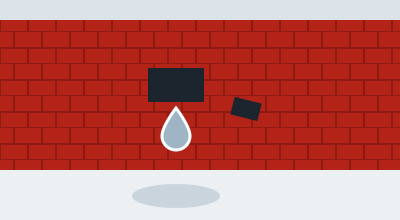
Most roof failures don't happen overnight. They start as small problems that are easy and inexpensive to fix if you catch them early. Here are seven signs worth watching for.
1. Water stains on ceilings or walls
Brown rings, bubbling paint or peeling wallpaper near the top of a wall usually mean water is getting past the roof. The leak itself may be several feet from the stain, because water runs along rafters before it drips.
2. Missing, cracked or curled shingles
From the ground, look for bare patches, shingles that curl up at the edges or cup in the middle, and cracks. Wind is the most common cause, but age plays a big part too.
3. Granules in your gutters
Asphalt shingles are coated with granules that protect them from the sun. A heavy build-up of granules in gutters or at the bottom of downspouts means shingles are wearing out.
4. Damaged flashing
Flashing is the metal that seals joints around chimneys, vents, skylights and valleys. Rusted, bent or lifted flashing is one of the most common sources of leaks.
5. Daylight in the attic
On a sunny day, look at the underside of the roof deck from the attic. If you can see light coming through, water can get in too.
6. Moss, algae and rot
Moss holds moisture against the roof and lifts shingles. Dark streaks are usually algae, which is mostly cosmetic, but soft or spongy areas on the deck are a sign of rot.
7. A sagging roofline
A dip or sag in the roofline can point to a waterlogged deck or a structural problem. This one shouldn't wait. Call promptly.
What to do next
Don't climb onto the roof to investigate, especially if it's wet or steep. Take photos from the ground, note what you've seen inside the home and call us to talk with a local roofing pro.
Repair or replace? How to decide
Roofing Help Pro guide
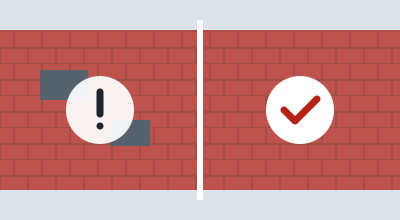
When a roof has a problem, the big question is whether to fix it or start over. There's no single rule, but these factors usually point to the right answer.
How old is the roof?
Asphalt shingle roofs generally last 20 to 30 years. If yours is fairly young, a repair usually makes sense. If it's near the end of that range, money spent on repairs may only buy a short amount of time.
How widespread is the damage?
Damage confined to one area, such as a few blown-off shingles, a cracked vent boot or a failed piece of flashing, is a classic repair. Problems across many areas of the roof are a sign the whole system is wearing out.
Is the deck sound?
If water has soaked and softened the wood decking beneath the shingles, it needs replacing. When the damaged area is large, a full replacement is often the practical choice.
How long will you stay?
If you plan to stay in the home for many years, a replacement gives you a fresh start and a predictable future. If you're selling soon, a solid repair may be enough, though buyers and inspectors do pay attention to roof age.
What about a second layer?
Some areas allow a new layer of shingles over an old one. It saves on tear-off, but it adds weight, hides problems in the deck and can shorten the new roof's life. Many codes limit roofs to two layers.
Getting an answer for your roof
The best way to decide is to have a qualified roofer inspect the roof and explain the options side by side. Call us any time to talk with a local roofing pro.
Choosing a roofing material for your home
Roofing Help Pro guide
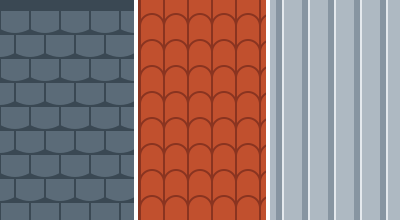
The material you choose affects how your home looks, how long the roof lasts and what you'll spend over time. Here's a quick comparison of the most common options.
Asphalt shingles
The most common choice on American homes. Affordable, available in many colors and relatively quick to install. Architectural shingles are thicker and longer-lasting than basic three-tab shingles. Typical life is around 20 to 30 years.
Metal
Standing seam panels and stone-coated steel resist wind, fire and heavy snow, and reflect heat well. Metal costs more upfront but often lasts 40 years or more.
Natural slate
One of the longest-lasting roofing materials available, with a distinctive look. It's heavy and expensive, and needs installers who know how to work with it.
Clay and concrete tile
Durable and fire-resistant, with a classic look on Mediterranean and Spanish-style homes. Tile is heavy, so the roof structure needs to be checked first.
Cedar shake
Natural wood with a rustic texture that weathers to silver-grey. It needs more maintenance than most materials and may be restricted in wildfire-prone areas.
Synthetic slate and shake
Composite products that recreate the look of slate or wood at lower weight and cost, with less maintenance.
Choosing for your home
Think about your budget, how long you'll stay, your local climate and what your home's structure can carry. A roofing pro can help you weigh the options for your home. Learn more on our premium materials page.